Making cereal for your baby may appear straightforward; however, minor errors may influence the nutritional value and eating habits of your child. The nutritional demands of a baby change during his/her growth process. Understanding the proper preparation of cereal may enable the parents to make appropriate decisions and aid in their healthy development.
Selecting appropriate baby food based on feeding recommendations will make this process easy for you and your child.
Preparation and Mixing Mistakes
Adding Cereal to a Bottle
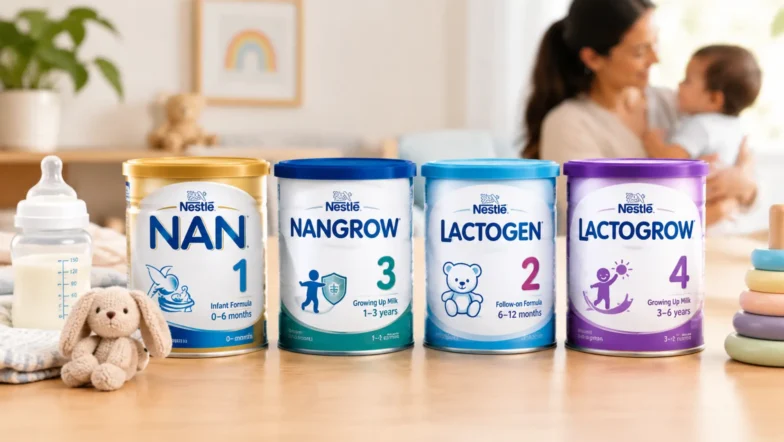
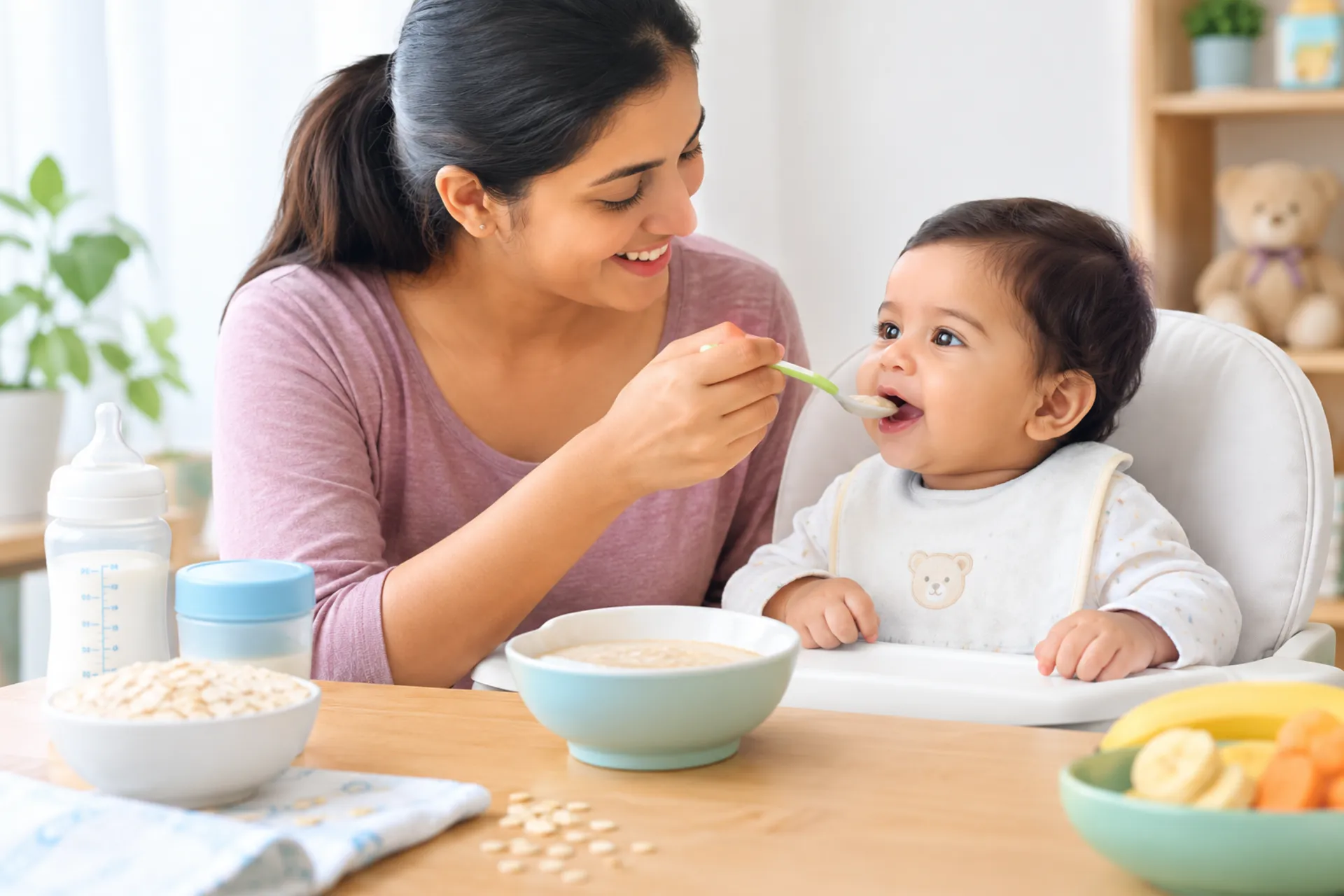
It is dangerous to mix cereal into a bottle of breast milk or formula because it may lead to choking. It will also make babies unable to learn how to feed themselves using a spoon. Cereal should be introduced in your baby’s diet by putting it in his mouth with a spoon. Ensure that you prepare Lactogen according to the packet.
Getting the Consistency Wrong
Too much water content in the cereal may reduce its nutritive value per spoon, whereas too thick cereal is difficult to swallow and could lead to digestive upsets. As you start preparing food for your 6-month-old baby, make sure to start with something soft in consistency that the baby can take comfortably, then modify it accordingly as his feeding abilities advance. Prepare Lactogen separately.
Mixing Too Many Ingredients
It becomes difficult to detect food causing allergies and digestive trouble when several kinds of grains, lentils, and dried fruits are mixed together in one go. One should introduce new foods slowly and check their effects. Keep on making Lactogen as per the package instructions.
Depending Only On Homemade Cereal
Homemade cereal powder is quite handy; however, it lacks certain nutrients like iron, zinc, proteins, and healthy fats. Besides, depending too much on cereal powder would cause the baby’s diet to have excessive carbohydrates. In order to provide 6-month baby food that is well-balanced, various foods should be incorporated into his diet, particularly iron-fortified foods. Consult with a medical expert regarding this issue.
Timing and Developmental Mistakes
Starting Solids Too Early
The majority of babies are usually ready for solids at six months old. Signs of readiness are head control, sitting up with support, and coordination skills to feed themselves. In deciding what 6-month baby food is best, think about not just how old your baby is but also whether or not they have developed appropriately.
Using Only Rice Cereal
Only using white rice cereal increases the intake of inorganic arsenic. Using different types of acceptable grains like oats and quinoa will limit the dependency on rice cereals. It is essential that there should be different kinds of food while planning 6-month baby food.
Ignoring Texture Changes
Feeding your baby the same kind of thin purees and porridge will not give your child any chance of learning how to chew and move the tongue. The food needs to be introduced slowly by making it thicker or giving your baby soft bites of food.
Choose KidzCare for your Baby’s Feeding Needs
Every parent desires to make sensible decisions on behalf of their baby. KidzCare assists Sri Lankan parents in finding feeding requirements of their babies through purchasing products from well-known brands in one stop.
Check out our baby food and infant formula range to see the available products. In addition, one could check the feeding range to see other requirements as well.
KidzCare provides a variety of products at affordable rates. Parents in Sri Lanka will find a wide range of suitable products here for the changing requirements of their babies. Please visit KidzCare to have a look at our collection.