
+94 777 444 334 Mon-Sat: 9am -9pm
Practical Tips for a Better Baby Sleep Featured Image

Practical Tips for a Better Baby Sleep

Every parent knows that getting a full night’s sleep can feel like an impossible dream when you have a newborn. Between frequent wake-ups, midnight feedings, and fussy evenings, it’s no wonder sleep becomes a rare luxury for you as parents. 

But with the right approach, baby sleep can become more predictable, peaceful, and restorative for both your little one and you.

From choosing the perfect crib to picking the softest bedding and sleep accessories, small changes can make a big difference. Let’s dive into expert-backed tips to help your baby sleep through the night.

Importance of Baby Sleep

Sleep does more than rest for your baby; it helps them grow, learn, and stay healthy. A good stretch of sleep helps brain development, boosts the immune system, and keeps your baby’s mood steady. You’ll often notice that a baby who has had enough rest is brighter and more playful during the day, which makes feeding and playtime much easier for everyone at home.

And let’s be honest, as parents, when your baby sleeps better, you do too. Well-rested parents usually feel calmer, more patient, and more present. It’s not just about the baby’s health; it’s about giving the whole family a chance to recharge.

Choosing the Right Sleep Setup

Baby Bassinet vs Baby Crib

One of the first choices you’ll face as a parent is deciding where your little one will sleep: in a bassinet or a crib.

Bassinets are handy during those first few months. They’re small, easy to move around, and let you keep your baby close for those late-night feedings. Cribs, on the other hand, are built for the long run and can grow with your baby well into toddlerhood.

If you want the best of both worlds, Kidzcare offers cots, playpens that work as both a bassinet and a crib. That way, you don’t have to buy twice as your baby grows. The Kidzcare Baby Carry Cot is a smart, multi-purpose choice, while classic styles like the Mahogani Wooden Cot or the Juno Two-Tone Crib bring both safety and style to your nursery.

No matter which design you choose, Kidzcare makes sure every cot, crib, and bassinet meets strict safety standards. Firm mattresses, snug bedding, and solid construction, all the essentials for safe, sound baby sleep.
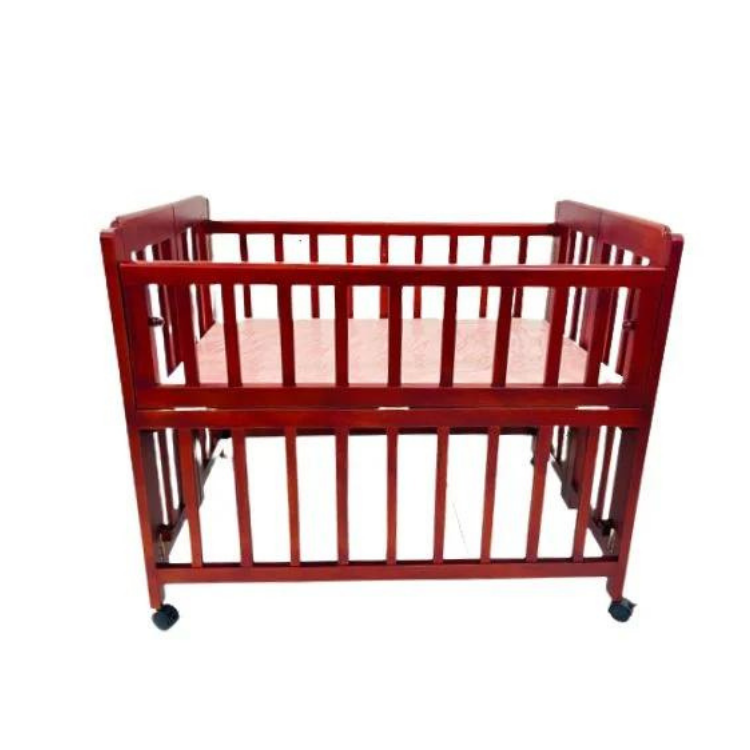
Mahogani-Wooden-Cot

Baby Cots & Bedding Essentials

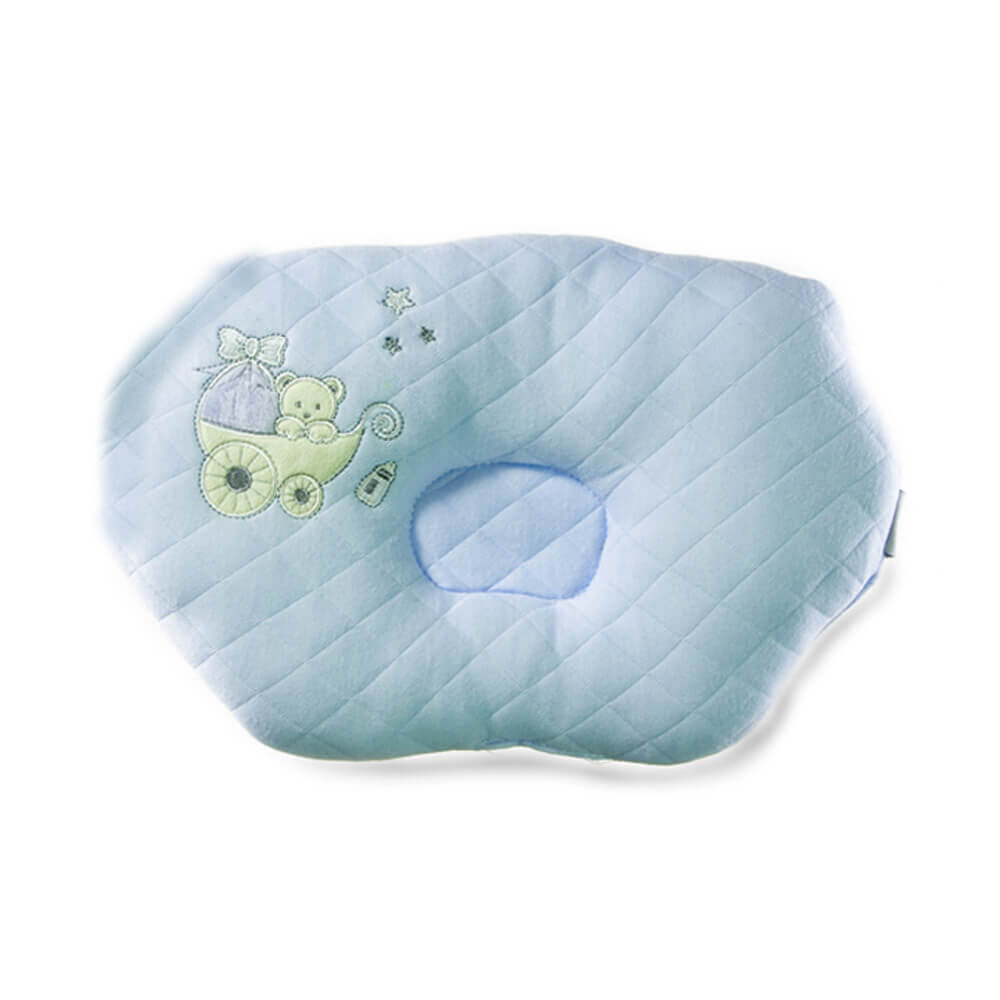
baby pillow

A cozy sleep space can make all the difference when it comes to your baby’s rest. That’s why choosing the right bedding is just as important as picking the right cot.

Kidzcare offers soft, breathable baby bedding sets, quilts, pillows, and bedding accessories made with hypoallergenic fabrics, gentle on your baby’s skin and designed to prevent overheating. For parents looking to set up the whole nursery, our range of baby cots & mattresses provides the firm support newborns and toddlers need for safe sleep.

You can also add a little extra comfort with protective covers and soft liners, making your baby’s cot feel snug and inviting. And for daytime naps or tummy time, specialized cot mattresses and mats are a practical option for parents in Sri Lanka who don’t want to compromise on safety or comfort.

Creating Calm & Cozy Sleep Routines

Babies sleep best when things feel familiar and steady. A soft night light, a comfortable room temperature, and maybe a little white noise can do wonders to block out distractions. The key is consistency; when bedtime looks and feels the same every night, your baby learns that it’s time to rest.

Simple routines make a big difference. A warm bath, a gentle massage, or even a quiet story can help your baby wind down. Feeding schedules matter too; while newborns will still need those nighttime feeds, gradually spacing them out can encourage longer stretches of sleep as your little one grows.

Of course, not every night will be perfect. Teething, colic, or growth spurts can cause wake-ups. That’s normal. Soft bedding, a familiar pillow, or even just a soothing touch can help ease the fussiness. And remember, every baby is different. It takes patience to figure out what works best, but over time, the pieces come together.

Final Tips

  • – First things first: make sure your baby’s crib or bassinet is safe, sturdy, and comfortable.
  • – Invest in quality bedding: quilts, pillows, and accessories that are soft yet supportive.
  • – Keep the sleep space calm and consistent. Babies pick up on routines faster than you think.
  • – Stick with simple bedtime habits like a bath, a lullaby, or storytime.
  • – Be patient. Every baby is unique, and some nights will still be tough; that’s normal.

With the right setup and a little consistency, peaceful nights are possible. Kidzcare’s range of baby bedding, cots, and sleep accessories can help you create a safe, cozy space that encourages better rest for your little one and for you, too.
breast pump featured image

Choosing the Right Breast Pump: Manual or Electric?

Becoming a mom is a wonderful experience, but it also comes with new challenges, especially when it comes to feeding your little one. The right feeding essentials can help you overcome these hurdles. 

Whether you want to build a milk stash, share feeding duties with your partner, or simply want more flexibility in your breastfeeding journey, the right pump gives you freedom and peace of mind. Finding the best breast pump in Sri Lanka can feel overwhelming, especially if you’re a new mom exploring options for the first time.

At Kidzcare, we offer a range of manual and electric breast pumps in Sri Lanka, as well as breastfeeding bottles and feeding essentials, so you can choose what fits best in your lifestyle.

Why Do You Need a Breast Pump?

A breastfeeding pump in Sri Lanka is more than just a convenience; it’s a support system for modern mothers. It allows you to:

  • – Express and store milk when you’re away from your baby.
  • – Share feeding duties with a partner or caregiver.
  • – Relieve engorgement and maintain milk supply.
  • – Provide breast milk even if you’re returning to work or studying.

Manual Breast Pumps 

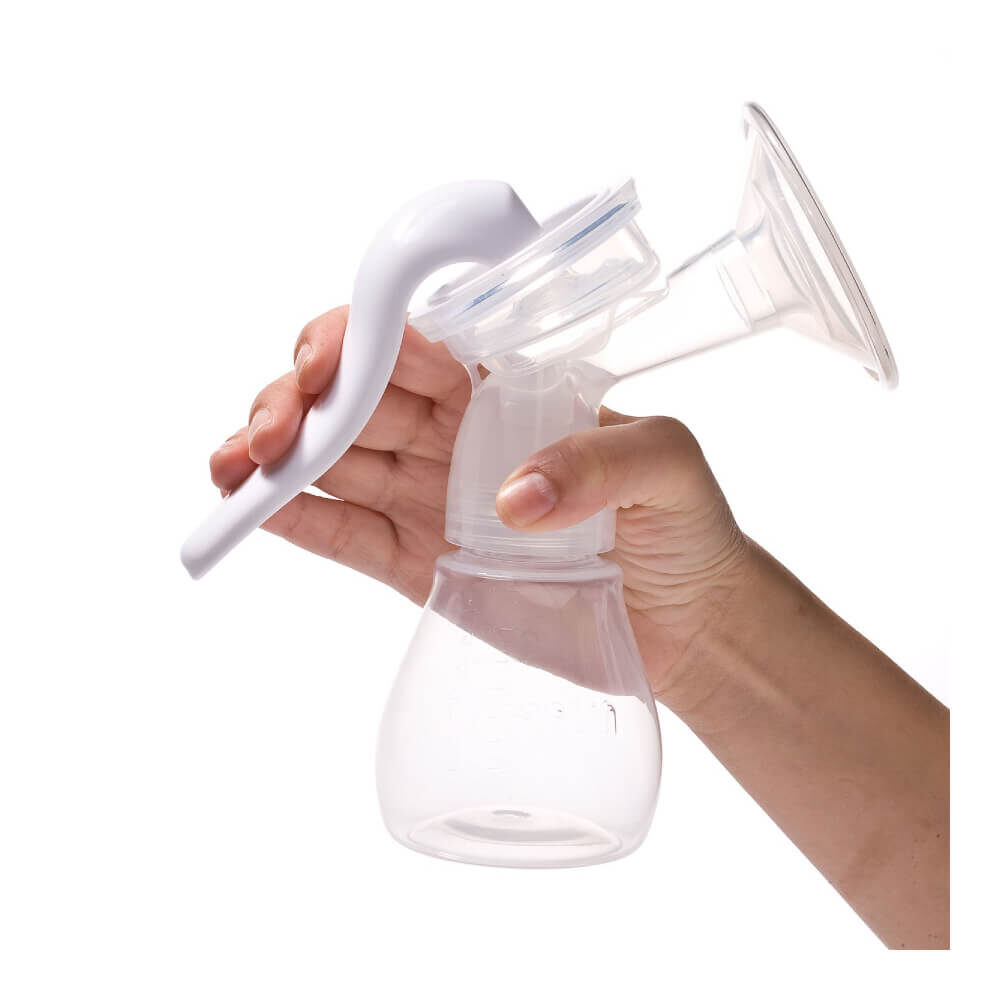
Manual breast milk pumps are hand-operated and are ideal for moms who only pump occasionally.

Benefits of Manual Pumps:

  • – Lightweight and travel-friendly.
  • – Budget-friendly option.
  • – Quiet and easy to use anywhere.

If you need something compact for quick pumping sessions or occasional use, a manual breast milk pump could be the perfect fit. Shop the best manual breast pumps in Sri Lanka with trust from Kidzcare.

farlin free direction manual breast pump
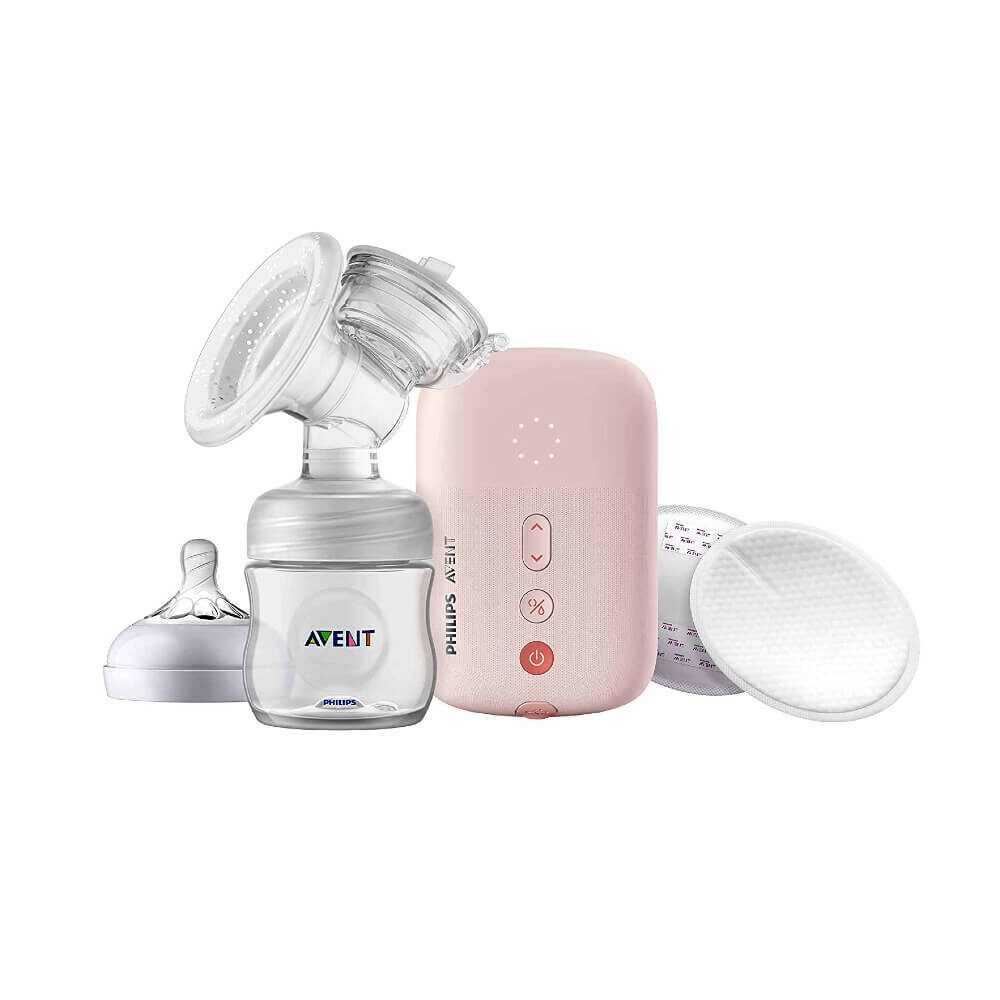
philips_avent_natural_electric_breast_pump

Electric Breast Pumps

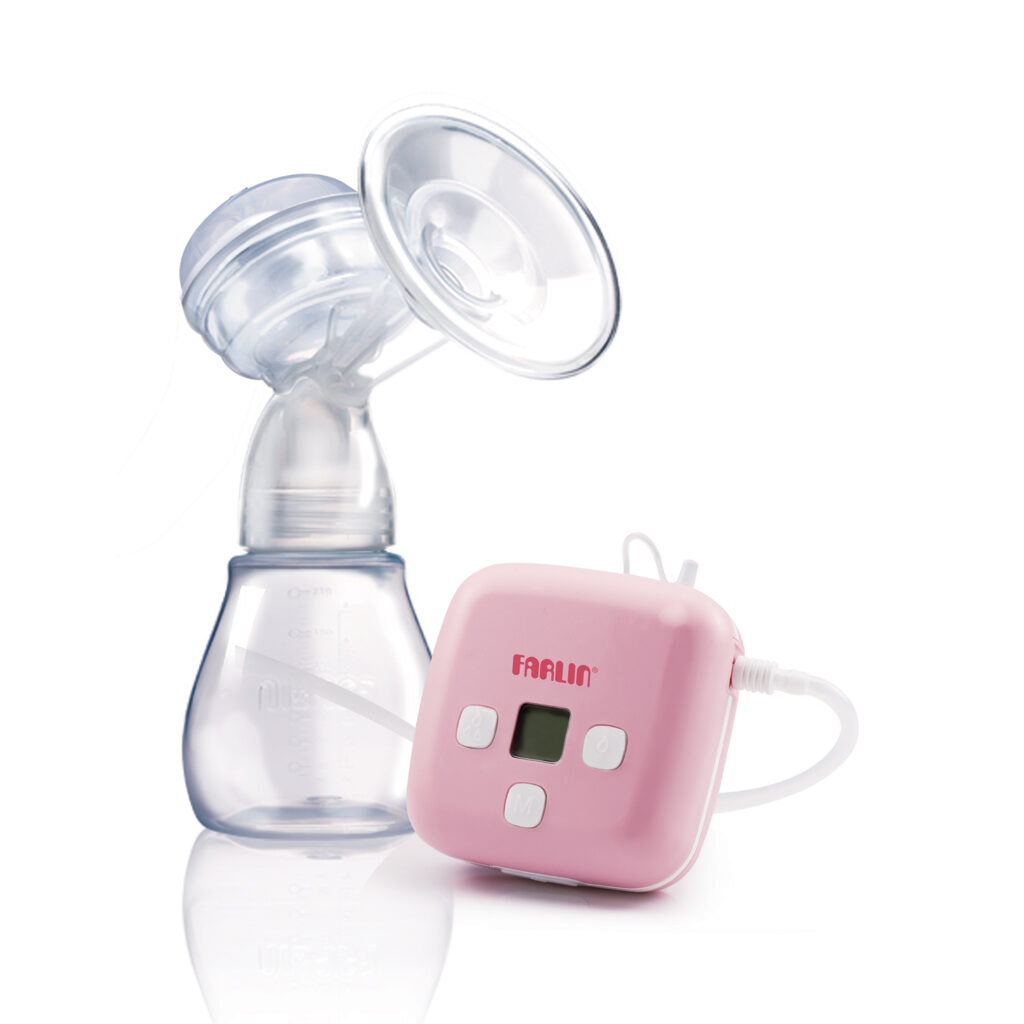
Electric milk extractors are powered by electricity or batteries, making them more efficient for regular use.

Benefits of Electric Pumps:

  • – Expresses milk faster with less effort.
  • – Adjustable suction levels for comfort.
  • – Great for moms who pump daily or exclusively.

If you’re balancing work and parenting, an Electric milk pump offers time-saving convenience and reliable performance. Explore a trusted collection of Electric breast pumps in Sri Lanka by Kidzcare.

Choosing What’s Right for You

When deciding between a manual or electric breast pump in Sri Lanka, consider:

  • How often do you pump – occasional or daily use?
  • Your budget – manual pumps are more affordable
  • Lifestyle needs – portability vs efficiency.

Many moms prefer the flexibility of both. Kidzcare offers reliable electric and manual breast pumps to suit every need.

Farlin Single Electric & Manual Breast Pump -Ele Cube
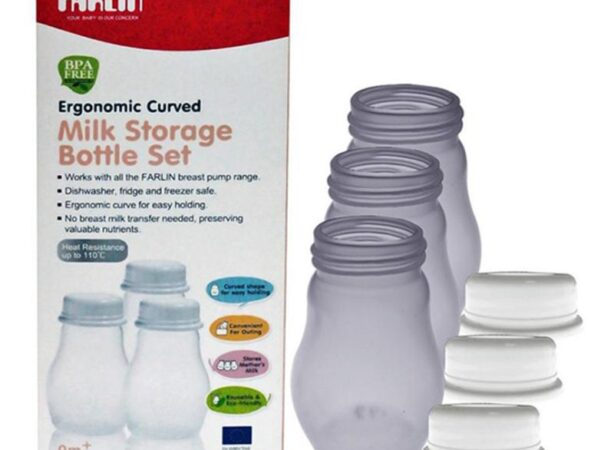
farlin_milk_storage_bottle

Don’t Forget Feeding Bottles

Along with pumps, having the right breastfeeding bottles ensures safe storage and smooth feeding transitions. At Kidzcare, you’ll find bottles designed to mimic natural breastfeeding, making it easier for your baby to switch between breast and bottle.

Final Thoughts

Every mother’s journey is unique. Choosing your best breast milk pump in Sri Lanka comes down to comfort, convenience, and what fits your budget. Whether you prefer the simplicity of a manual breast milk pump or the efficiency of an electric suction pump, Kidzcare is here to support you with trusted products for every stage of your breastfeeding journey.

Diaper Rashed Featured Image

A Simple Diaper Rash Routine – Trusted by Parents, Loved by Babies

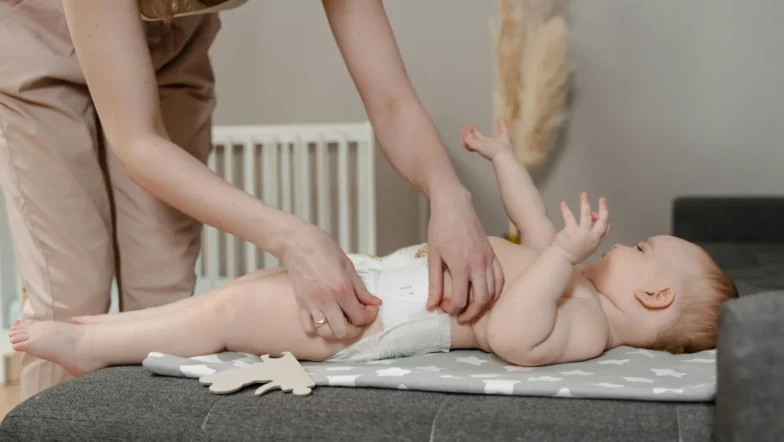
When your baby’s soft skin turns red, bumpy, or sore, you know the struggle of diaper rash all too well. It’s not just a skin issue; it can turn diaper changes into battles and make your little one fussy during play or sleep. 

The good news? Most cases can be soothed quickly with a little extra care. By keeping the area clean and dry, choosing gentle products, and using a good nappy rash cream, you can ease the discomfort and help skin heal faster. With the right routine, those irritated patches will soon be just a memory.

At Kidzcare, we’ve helped many parents find simple, effective diaper rash treatment options, starting with understanding the cause.

Why Diaper Rash Happens

Diaper rash is usually caused by a mix of moisture, friction, and irritation from urine or stool. Sometimes it can be triggered by a reaction to wipes, soaps, or even the diaper itself. While mild rashes can heal in a few days, ignoring them can make things worse, so quick action is key.

At Home Diaper Rash Routine

Here’s the easy, gentle routine with simple steps to bring quick relief and happy smiles when a nappy rash tries to ruin your baby’s day.

  1. Keep the Area Clean and Dry
    Start with frequent diaper changes and gentle cleansing using mild, fragrance-free baby wipes or lukewarm water. The less moisture, the better for healing.
  2. Use a Quality Diaper Rash Cream
    A reliable nappy rash cream became our go-to. But knowing how to use diaper rash cream makes all the difference. Apply a thin, even layer after every diaper change to form a protective barrier and lock in healing moisture.
  3. Let the Skin Breathe
    Give your baby some “diaper-free” time every day. Yes, it can get a little messy, but the fresh air works wonders.

4. Choose the Right Diapers
Not all diapers are the same. Switch to high-quality, absorbent diapering essentials that are gentle on your baby’s sensitive skin.

cetaphil baby diaper cream
velona_cuddles_wet_wipes_fragrance_free

Is Diaper Rash Painful?

Unfortunately, yes. When skin is inflamed, even a small touch can cause discomfort. That’s why finding which cream is good for nappy rash is important; not just for healing but also for soothing the soreness quickly.

Which Cream is good for Diaper Rash?

sudocream

Zinc oxide formula-based diaper rash creams in Sri Lanka are widely trusted by parents and paediatricians for their gentle yet powerful care. This type of cream works by forming a protective barrier over your baby’s skin, shielding it from moisture and friction. It also helps calm redness and irritation while supporting the skin’s natural healing process. 

When applied consistently at every diaper change, many babies show visible improvement within just one to two days. Its soothing texture and effective protection make zinc oxide-based creams a go-to choice for fast, reliable relief from nappy rash.

When to See a Doctor?

Most mild cases clear up with consistent home care. But if the rash spreads, develops blisters, or doesn’t improve within a week, consult your paediatrician; it could be a sign of infection or another skin condition.

Final Thoughts

Consistency and gentle care are essential in treating diaper rash of your baby. By changing diapers regularly, using a trusted nappy rash cream, and giving the skin some breathing time, parents can soothe irritation and speed healing. 

Choosing gentle, effective products from Kidzcare helps protect delicate skin, reduce irritation, and speed healing. With this simple routine, diaper changes become more comfortable for your baby, keeping them happy and content while preventing future rashes.A little care, the right cream, and regular attention can turn stressful moments into calm, soothing routines, helping your baby stay comfortable, healthy, and rash-free every day.

potty training featured image

Potty Training Tips Every Parent Should Know

Potty training is one of the biggest milestones in your child’s early years, marking their first step toward independence. While it can feel overwhelming at first, the right approach and lots of patience can make the process smoother for both you and your little one.

In Sri Lanka, many parents wonder when to potty train a baby, usually between 18 months and 3 years. But rather than following a fixed schedule, it’s better to look for readiness signs. Starting too early can make the process stressful for both of you; waiting for the right time brings better results.

Potty Training Age

Every child is different. Instead of focusing on a specific potty training age, watch for signs your child is developing bladder control:

– They know when they’ve got a wet or dirty nappy.

– They recognise when they’re peeing and may even tell you.

– They stay dry for at least an hour; if it’s less, potty training may be exhausting.

– They can sit on the potty and get up from it afterwards.

– They show they need to pee by fidgeting or going somewhere quiet.

– They may say in advance when they need to pee or poo.

Also, your child should be able to pull pants up and down, walk steadily, and follow simple instructions.

Choosing the Best Potty

Having the best baby potty for potty training makes a big difference in comfort and confidence. KidzCare offers toddler-friendly options, including the Phoenix baby potty, lightweight, easy to clean, and ideal for first-time potty users. 

For those who want a chair with back support, the Cute & Naughty baby commode is another smart option, low to the ground and approachable for beginners.

phoenix baby potty

Helping Your Child Get Used to the Potty

drypers_classic_diaper_pant

Place the potty where your child can see it and explain its purpose. Children learn by copying, so let them observe older siblings or caregivers using the toilet. You can also demonstrate with their favourite doll or toy.

Encourage them to sit on the potty during nappy changes, especially in the morning or before bedtime. When you notice they sense they need to pee, gently guide them to use the potty. If there’s an accident, stay calm and try again later.

Using potty training pants (pull-ups) from the diapering collection gives kids confidence. Since they don’t absorb as much as regular nappies, children feel when they’re wet and learn faster. KidzCare stocks diaper pants from trusted brands like Marvel and Drypers, which are perfect for this phase.

Creating a Consistent Potty Routine

Building a routine helps cement healthy bathroom habits. Common timings include:

– First thing in the morning

– After meals or snacks

– Before naps and bedtime

– Before leaving home

The potty or toilet should be easy to access. If your child’s engrossed in play, a gentle reminder is usually enough.

Encouraging and Motivating Your Child

Praise matters a lot, even if your child only sits for a minute. Say things like “Well done for trying!” or use stickers or a simple progress chart. Avoid pressure if they don’t do anything after a few minutes; sitting too long can feel like punishment.

Stay positive: stress can make a child avoid using the potty, and poos often take longer to get used to than wees.

Avoiding Accidents

Accidents are part of the journey. To minimise them:

– Take your child to the potty as soon as they say they need to go.

– Remind them if it’s been a while since the last visit.

– Ask before outings or bedtime whether they need to pee.

– Always have extra clothes and diapering essentials on hand.

Use diaper bins and disposable bags to manage hygiene and odours conveniently.

tommee_tippee_twist_and_click_nappy_disposal_bin___white

When It’s Not the Right Time

Certain life events can make training harder. Avoid starting potty training during these periods:

– A family move or change of caregiving

– Arrival of a new sibling

– Switching from crib to bed

– Illness or major family stress

It’s better to wait until things feel stable.

Final Word

Potty training isn’t a race; it’s a step-by-step journey that your child will master in their own time. By recognising readiness signs, choosing the right essentials, and keeping a positive attitude, you can guide them toward dryness and independence.

Explore diapering must-haves at Kidzcare, pair them with your patience and cheers, and your little one will master the potty.

Baby Walking Journey featured image

Baby Walking Journey: From First Movements to Independent Steps

Watching your baby take their first steps is a magical moment every parent waits for. It’s one of those milestones that feels both exciting and nerve-wracking. Every child moves at their own pace, but one thing is certain: the journey to baby walking is as magical as the moment itself.

Before those tiny feet get moving on their own, there’s a whole journey of wobbles, falls, and triumphs that lead the way. At KidzCare, we understand how important those early steps are. Whether your baby is just learning to stand or already cruising along the furniture, we’re here to support you with essentials that help your baby grow confidently, step by step.

When Do Babies Start Walking?

It’s one of the most common questions among parents. There’s no definite answer to this; most babies take their first steps between 9 and 15 months. Some are early walkers; others may take a little longer, and that’s completely normal.

Before walking comes other milestones, rolling over, sitting up, crawling, and pulling up to stand. These movements build the strength and confidence your little one needs to get moving on two feet. Your baby might start pulling themselves up, cruising along furniture, or standing with support. These are great indicators that walking is just around the corner.

If you’re wondering when your baby will start walking, remember: it’s less about the calendar and more about readiness. Encourage progress, but don’t rush it.

Walking With Baby

Helping your baby learn to walk is about more than just cheering them on. It’s about giving them a safe space to explore movement confidently. Start by letting your baby practice on soft yet stable surfaces. A great option is to use a safe and padded baby play mat where they can crawl, stand, and take those first steps without fear of injury.

As your little one gains balance, baby walkers can offer additional support, but always under supervision. These help babies learn coordination while engaging their leg muscles in a fun and active way.

play pen

Baby Learning to Walk

Helping your baby walk isn’t about rushing them; it’s about creating a safe, supportive space. Here are a few gentle ways to help your baby get moving:

In the early stages of baby learning to walk, your child might:

  • – Cruise along the edges of furniture
  • – Try standing without support for a few seconds
  • – Take a few quick steps before falling down
  • – Reach for your hand while trying to balance

These small moments are huge steps in development. Walking with your baby during this phase can help them feel safe and supported.

So how do you help your baby learn to walk without doing all the work for them?

Here are some simple tips:

  • – Give them time on the floor to move and play
  • – Hold their hands while they try stepping forward
  • – Use sturdy push toys to encourage balance
  • – Celebrate their effort, not just the steps

Don’t stress about falls, they’re part of learning. Stay close and let your child know you’re there if they need a hand. When stepping outside, baby walking shoes are a must. Look for lightweight, flexible shoes with soft soles that support natural movement while protecting their tiny feet.

First Steps and Beyond

baby stroller black

Walking with your baby isn’t just about movement; it’s a beautiful chance to bond. Take short walks around the garden, down the hallway, or even at the park. Talk to your baby, point at things, and let them lead the way. These moments build trust, confidence, and lifelong memories.

At KidzCare, we’re here to make this journey easier for you. From first walker shoes to play mats and baby strollers, our products are chosen with safety, comfort, and your baby’s developmental needs in mind.

Once your baby starts walking, your home becomes their playground, and that means safety matters more than ever.  Consider investing in baby safety products like edge protectors, safety gates, non-slip mats, and drawer locks. These small upgrades help to prevent injuries as your little one gains independence. It’s also the perfect time to revisit your baby-proofing checklist. And if you’re just getting started, our maternity & newborn collection is perfect for preparing for every milestone ahead.

Every Step Counts

The baby walking journey is more than just learning to move. It’s a reminder of how quickly your little one is growing. Be patient, be present, and celebrate each little step along the way.

At KidzCare, we’re proud to walk beside you through this exciting chapter of your parenting journey with products that support you and your child at every stage.

0

Search for products

Back to Top

Use code KC5MAY at checkout to enjoy 5% OFF on your purchase! 🛍️

×

Make an offer

Product has been added to your cart